Book Appointment Now

How to Brush Your Teeth Correctly (Most People Have Been Doing It Wrong Their Whole Life)
Brushing your teeth seems simple enough.
After all, it’s one of the first habits most of us learn as children. You put toothpaste on a toothbrush, scrub your teeth for a bit, rinse, and move on with your day.
Easy, right?
Not exactly.
The surprising truth is that many people are brushing their teeth incorrectly—and they may have been doing so for years without realizing it.
In fact, dentists often see patients who brush every day yet still develop cavities, gum disease, tooth sensitivity, or plaque buildup. The problem isn’t always whether they’re brushing. Sometimes it’s how they’re brushing.
The good news is that learning the proper technique is easier than you might think. A few small adjustments can make a big difference to your oral health.
Let’s explore the most common brushing mistakes and how to brush your teeth the right way.
Why Proper Brushing Matters
Your mouth is home to millions of bacteria.
Some are harmless, while others produce acids that attack your tooth enamel and irritate your gums.
Throughout the day, these bacteria combine with food particles and saliva to form a sticky film called plaque.
If plaque isn’t removed regularly, it can lead to:
- Cavities
- Gum disease
- Bad breath
- Tooth discoloration
- Tartar buildup
- Tooth loss
Brushing is one of the most effective ways to remove plaque and keep your teeth and gums healthy.
But simply moving a toothbrush around your mouth isn’t enough.
Technique matters.
The Biggest Mistake: Brushing Too Hard
Many people believe that brushing harder means cleaning better.
Unfortunately, that’s not true.
Brushing aggressively can actually damage your teeth and gums.
Over time, excessive force may:
- Wear down tooth enamel
- Cause gum recession
- Increase tooth sensitivity
- Expose tooth roots
Your toothbrush should not be treated like a scrubbing brush for dirty dishes.
Think gentle and thorough, not hard and fast.
Step 1: Choose the Right Toothbrush
The first step toward proper brushing starts with selecting the right toothbrush.
Most dentists recommend:
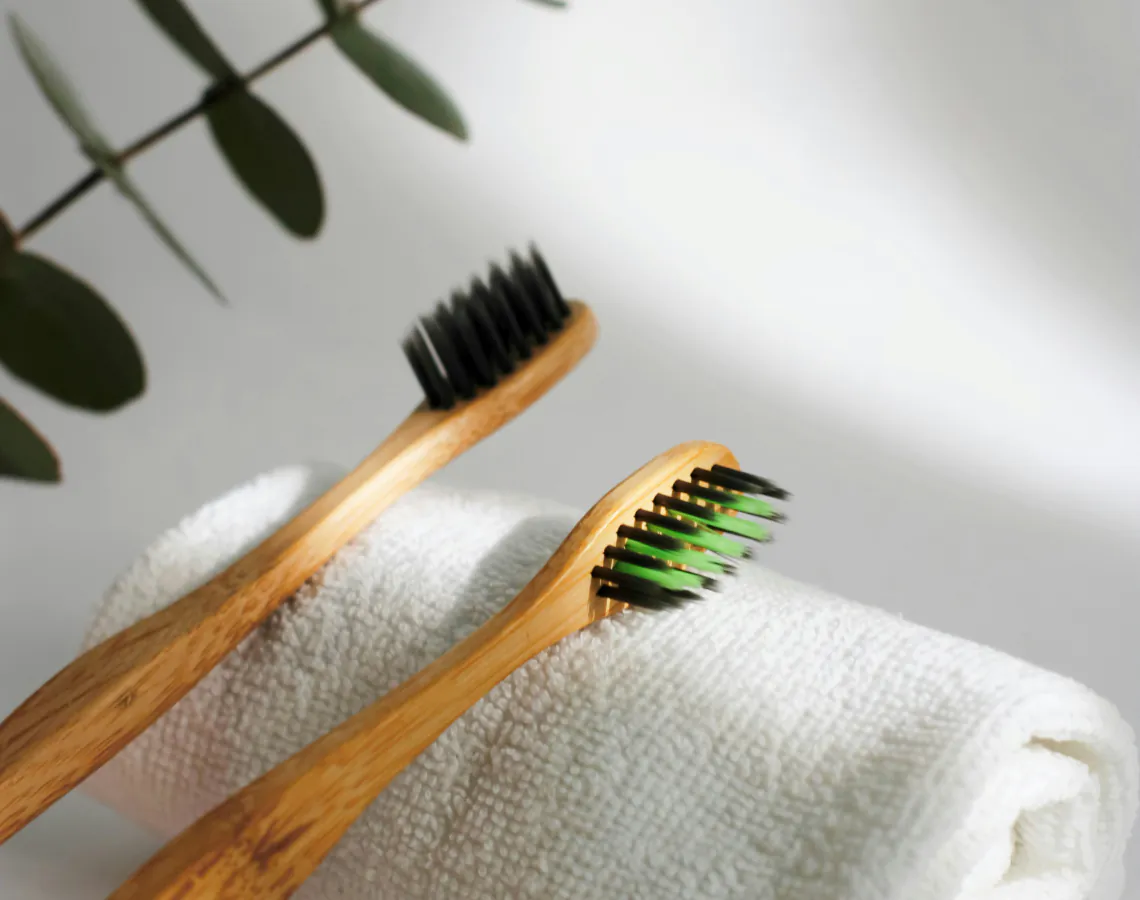
A Soft-Bristled Toothbrush
Soft bristles are effective at removing plaque while being gentle on enamel and gum tissue.
Hard-bristled brushes can be too abrasive for daily use.
A Comfortable Handle
Choose a toothbrush that feels comfortable and easy to control.
An Electric Toothbrush (Optional)
Electric toothbrushes can be particularly helpful for people who:
- Struggle with brushing technique
- Have limited hand mobility
- Wear braces
- Tend to brush too hard
However, a manual toothbrush can work just as well when used correctly.
Step 2: Use the Right Amount of Toothpaste
Many toothpaste advertisements show toothbrushes covered from end to end with toothpaste.
In reality, you don’t need that much.
For adults, a pea-sized amount of fluoride toothpaste is usually sufficient.
Using more toothpaste doesn’t necessarily improve cleaning.
Step 3: Position Your Toothbrush Correctly
One of the most overlooked aspects of brushing is the angle of the toothbrush.
Instead of holding the brush flat against your teeth, position it at approximately a 45-degree angle toward the gumline.
Why?
Because plaque often accumulates where the teeth and gums meet.
The proper angle helps clean both the teeth and the gumline more effectively.
Step 4: Use Gentle Circular Motions
This is where many people get it wrong.
Rather than scrubbing back and forth aggressively, use small, gentle circular movements.
This technique helps:
- Remove plaque effectively
- Protect enamel
- Prevent gum irritation
- Clean hard-to-reach areas
Take your time.
Good brushing is more about precision than speed.
Step 5: Don’t Forget Every Surface
Many people focus only on the visible front surfaces of their teeth.
Unfortunately, plaque doesn’t share that preference.
Make sure you clean:
The Outer Surfaces
The parts visible when you smile.
The Inner Surfaces
The surfaces facing your tongue and the roof of your mouth.
The Chewing Surfaces
The tops of your molars where food often becomes trapped.
A complete brushing routine should cover all tooth surfaces.
Step 6: Brush for a Full Two Minutes
This may be the most common mistake of all.
Most people think they brush for two minutes.
Research consistently shows that many people brush for less than one minute.
That’s simply not enough time to thoroughly clean your teeth.
Aim for:
- Two minutes every time
- Twice daily
One simple trick is to divide your mouth into four sections and spend about 30 seconds on each.
Many electric toothbrushes even include built-in timers.
Step 7: Don’t Forget Your Tongue
Your tongue can harbor large amounts of bacteria.
If you only brush your teeth and ignore your tongue, you may still struggle with:
- Bad breath
- Bacterial buildup
- An unpleasant taste in your mouth
After brushing your teeth, gently brush your tongue or use a tongue scraper.
It only takes a few seconds but can make a noticeable difference.
Should You Rinse After Brushing?
This question surprises many people.
Many dentists recommend spitting out excess toothpaste without immediately rinsing your mouth with large amounts of water.
Why?
Because fluoride continues working after brushing.
Rinsing immediately may wash away some of its protective benefits.
If you prefer to rinse, use only a small amount of water.
When Should You Brush?
The ideal times are:
Morning
Brushing in the morning removes bacteria that accumulated overnight and freshens your breath.
Before Bed
Nighttime brushing is arguably the most important.
It removes food particles, plaque, and bacteria before you sleep.
Skipping your bedtime brushing gives bacteria hours to work undisturbed.
The Timing Mistake Many People Make
If you’ve just consumed something acidic, such as:
- Orange juice
- Lemon water
- Soda
- Sports drinks
Avoid brushing immediately afterward.
Acid temporarily softens tooth enamel.
Brushing right away can increase enamel wear.
Instead, rinse with water and wait about 30 minutes before brushing.
Brushing Alone Isn’t Enough
Even perfect brushing can’t clean every area of your mouth.
The spaces between your teeth require additional care.
That’s where flossing comes in.
Flossing helps remove:
- Food particles
- Plaque
- Bacteria
from areas your toothbrush simply cannot reach.
For the healthiest smile, combine:
- Brushing twice daily
- Daily flossing
- Regular dental checkups
Signs You Might Be Brushing Incorrectly
You may need to improve your brushing technique if you notice:
- Bleeding gums
- Persistent bad breath
- Tooth sensitivity
- Frequent cavities
- Plaque buildup
- Receding gums
These symptoms don’t always mean you’re brushing incorrectly, but they can be warning signs worth discussing with your dentist.
Common Brushing Myths
“The Harder I Brush, the Cleaner My Teeth”
False.
Aggressive brushing can damage your teeth and gums.
“Any Toothbrush Will Do”
Not necessarily.
Soft-bristled brushes are generally the safest choice.
“Brushing Once a Day Is Enough”
False.
Most people should brush at least twice daily.
“If My Teeth Look Clean, They’re Healthy”
Not always.
Many dental problems begin where you can’t easily see them.
The Bottom Line
Brushing your teeth is one of the simplest things you can do for your health—but only if you’re doing it correctly.
Use a soft-bristled toothbrush, brush gently for two full minutes, clean every surface of your teeth, and don’t forget your tongue and flossing routine.
If you’ve been scrubbing your teeth as hard and fast as possible, you’re not alone. Many people have been doing the same thing for years.
Fortunately, it’s never too late to improve your technique.
A few small changes today can help protect your smile for years to come—and your dentist will definitely notice the difference.