Book Appointment Now

How Often Should You Really Visit the Dentist? The Answer Might Surprise You
Most people have heard the same advice their entire lives: visit the dentist every six months.
It’s one of those health recommendations that gets repeated so often that few people ever question it. But have you ever wondered where that advice came from? More importantly, is it actually the right schedule for everyone?
The answer might surprise you.
While visiting the dentist every six months is still a good rule of thumb for many people, modern dentistry has revealed that there is no one-size-fits-all schedule. Some people may need more frequent visits, while others may be able to go longer between appointments without compromising their oral health.
So, how often should you really visit the dentist? Let’s take a closer look.
Why Regular Dental Visits Matter
Before discussing how often you should see a dentist, it’s important to understand why routine dental visits are necessary in the first place.
Many dental problems develop slowly and silently. Cavities, gum disease, infections, and even oral cancer can progress for months without causing noticeable pain or symptoms.
By the time you feel discomfort, the problem may already require more extensive treatment.
Regular dental checkups allow your dentist to:
- Detect cavities early
- Identify gum disease before it becomes severe
- Remove plaque and tartar buildup
- Monitor changes in your teeth and gums
- Screen for oral cancer and other conditions
- Provide personalized oral health advice
In many cases, a simple checkup can prevent a much larger and more expensive dental problem later.
Where Did the “Every Six Months” Rule Come From?
Interestingly, there is limited scientific evidence proving that every person needs a dental checkup exactly every six months.
The six-month recommendation became popular decades ago as a practical guideline. It was easy for patients to remember and helped encourage consistent preventive care.
Over time, it became the standard recommendation in many dental practices around the world.
Today, however, dentists increasingly recognize that patients have different levels of risk and different oral health needs.
That means your ideal dental schedule may not be exactly the same as someone else’s.
For Many People, Every Six Months Is Still Ideal
For the average person with relatively healthy teeth and gums, a dental visit every six months remains a sensible recommendation.
These appointments help remove plaque and tartar that regular brushing and flossing cannot eliminate. They also give dentists the opportunity to catch small problems before they become major issues.
You may fit into this category if:
- You brush twice daily
- You floss regularly
- You rarely get cavities
- You have healthy gums
- You don’t smoke or use tobacco products
- You don’t have significant medical conditions affecting oral health
For many people, two dental visits per year provide the right balance between prevention and maintenance.
Some People Need More Frequent Dental Visits
Not everyone falls into the low-risk category.
Certain factors increase the likelihood of developing dental problems, which means more frequent monitoring may be necessary.
Your dentist may recommend visits every three or four months if you:
Have Gum Disease
Gum disease is one of the most common oral health problems worldwide.
Patients with gingivitis or periodontitis often require more frequent cleanings to control bacteria and prevent further damage to the gums and supporting bone.
Get Cavities Frequently
If you regularly develop cavities despite good oral hygiene habits, your dentist may want to monitor your teeth more closely.
Frequent visits can help identify problem areas and prevent further tooth decay.
Smoke or Use Tobacco Products
Smoking significantly increases the risk of gum disease, tooth loss, oral cancer, and delayed healing after dental procedures.
Regular dental examinations become even more important for tobacco users.
Have Diabetes
People with diabetes often face a higher risk of gum disease and infections.
More frequent dental care can help manage these risks and maintain better overall health.
Wear Braces or Other Orthodontic Appliances
Braces create additional spaces where food particles and plaque can accumulate.
Patients undergoing orthodontic treatment often benefit from more regular professional cleanings.
Have a Weakened Immune System
Medical conditions or treatments that affect the immune system can make it harder for the body to fight infections, including oral infections.
Regular dental monitoring helps reduce potential complications.
Could Some People Visit Less Often?
In some situations, yes.
Research suggests that individuals with excellent oral health and very low risk factors may not necessarily require checkups every six months.
Some dentists may recommend annual visits for carefully selected patients who:
- Have no history of gum disease
- Rarely experience cavities
- Maintain excellent oral hygiene
- Have no significant medical risk factors
- Attend dental appointments consistently
However, this decision should always be made in consultation with your dentist.
Skipping appointments on your own because your teeth “feel fine” can be risky. Many dental conditions develop without obvious symptoms.
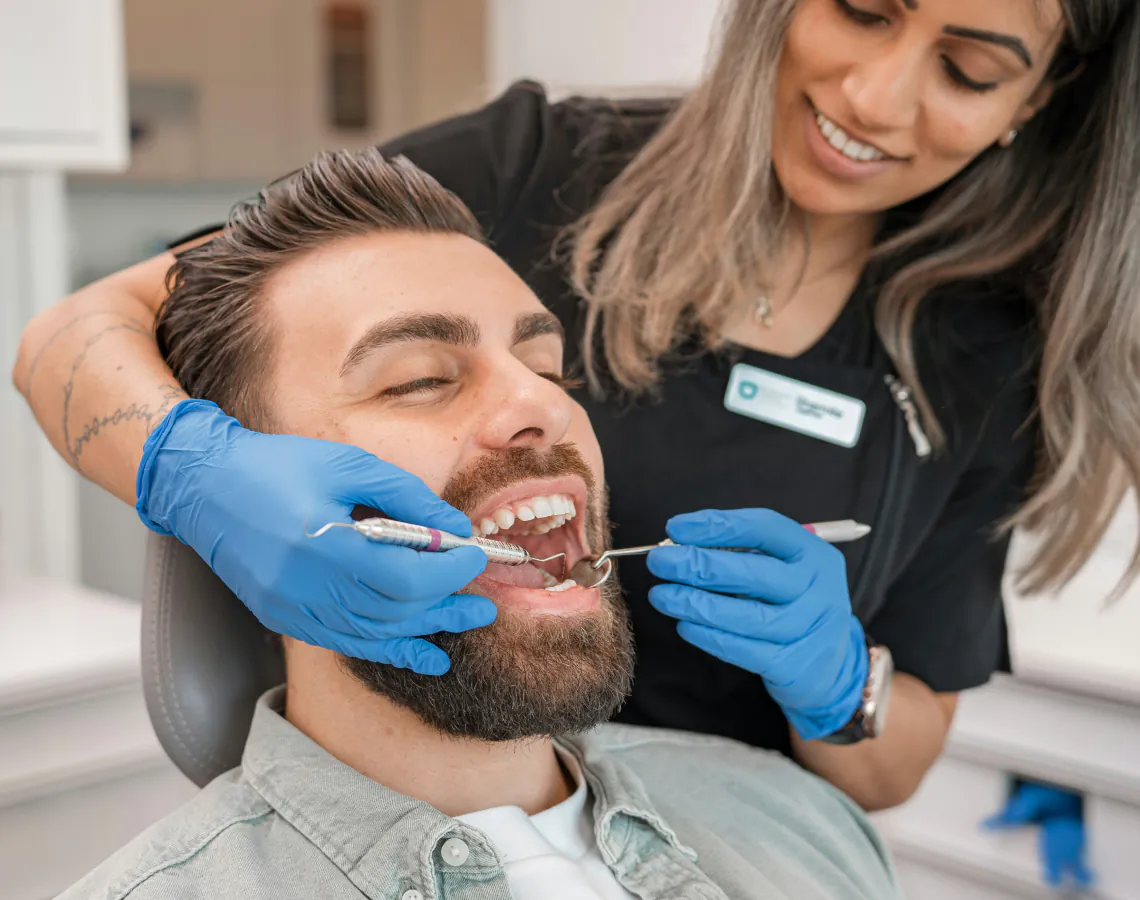
What Happens During a Routine Dental Checkup?
A dental appointment involves much more than simply looking at your teeth.
Comprehensive Oral Examination
Your dentist evaluates the health of your teeth, gums, tongue, jaw, and surrounding tissues.
They check for signs of:
- Tooth decay
- Gum disease
- Tooth wear
- Oral infections
- Oral cancer
- Bite problems
Professional Cleaning
Even the best toothbrush cannot completely remove hardened tartar.
During a professional cleaning, plaque and tartar are removed from areas that are difficult to reach at home.
This helps prevent cavities and gum disease.
Dental X-Rays
When necessary, dental X-rays provide a view beneath the surface.
They help dentists detect:
- Hidden cavities
- Bone loss
- Impacted teeth
- Infections
- Other structural issues
Personalized Advice
Every patient has different oral health needs.
Your dentist may provide guidance on:
- Brushing techniques
- Flossing habits
- Dietary choices
- Fluoride use
- Preventive treatments
Signs You Should See a Dentist Immediately
Even if your next checkup is months away, certain symptoms should never be ignored.
Schedule a dental appointment as soon as possible if you experience:
- Persistent tooth pain
- Bleeding gums
- Swollen gums
- Loose teeth
- Jaw pain
- Mouth sores that don’t heal
- Tooth sensitivity that suddenly worsens
- Persistent bad breath
- Swelling of the face or mouth
These symptoms may indicate a problem that requires prompt attention.
Your Oral Health Affects More Than Your Mouth
Many people don’t realize that oral health is closely connected to overall health.
Research has linked poor oral health to several serious conditions, including:
- Heart disease
- Diabetes complications
- Respiratory infections
- Pregnancy complications
Regular dental visits are not just about protecting your smile. They are also an important part of maintaining your overall well-being.
How to Keep Your Teeth Healthy Between Visits
Dental appointments are important, but what you do at home matters just as much.
To maintain good oral health:
- Brush twice daily with fluoride toothpaste
- Floss once a day
- Limit sugary foods and drinks
- Drink plenty of water
- Avoid tobacco products
- Wear a mouthguard during sports
- Follow your dentist’s recommendations
Good daily habits can significantly reduce your risk of developing dental problems.
The Bottom Line
So, how often should you really visit the dentist?
For many people, every six months remains a good guideline. However, the ideal schedule depends on your individual oral health, lifestyle, medical history, and risk factors.
Some people need checkups every three or four months, while others may safely go longer between visits under professional guidance.
The best answer isn’t found in a general rule—it’s found in a personalized recommendation from your dentist.
If you’re unsure how often you should schedule appointments, ask your dentist during your next visit. The answer may be different from what you’ve always been told, but it will be tailored specifically to your needs.
And when it comes to protecting your smile, personalized care is always the smartest approach.